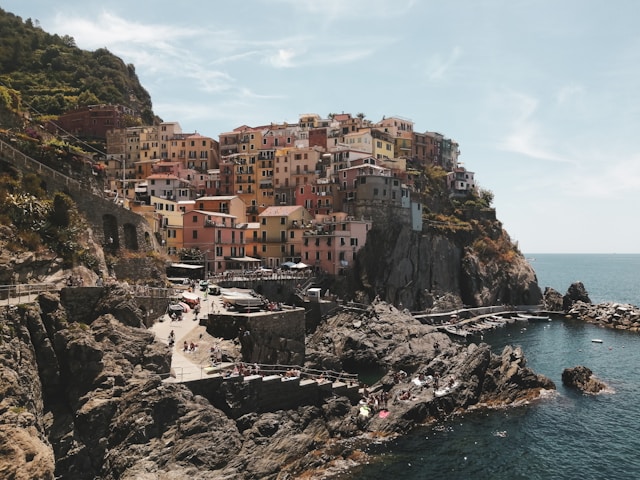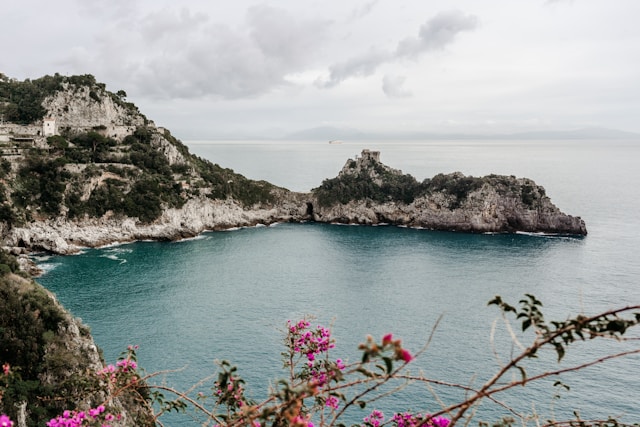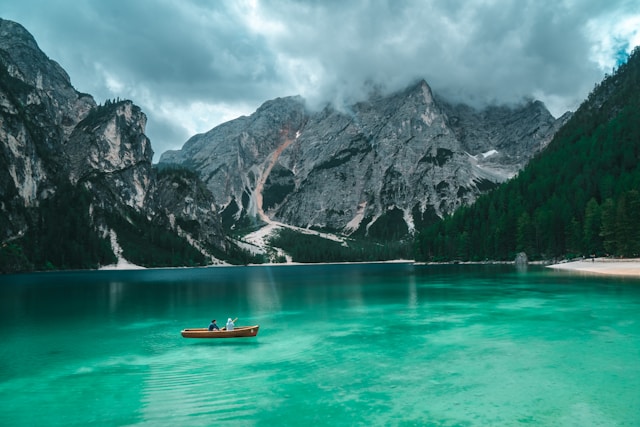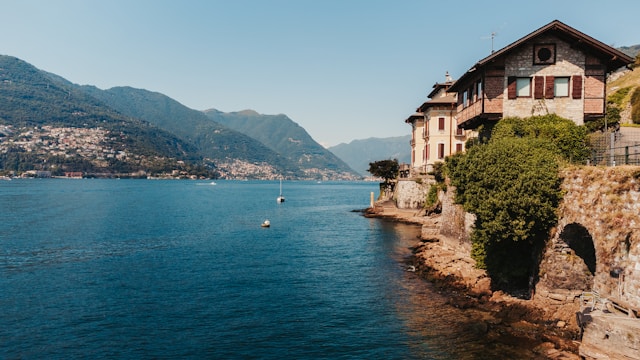
Autumn brings a dramatic transformation to northern Italy. Vineyards turn gold, mountain forests shift into shades of orange and red, harvest-season dishes return to restaurant menus, and many destinations become calmer after the busiest weeks of summer.
For travelers who enjoy scenic drives, regional cuisine, historic towns, mountain landscapes, and wine, autumn provides an excellent opportunity to explore northern Italy.
This seven-day itinerary begins in Milan before traveling through Lake Como, the Valtellina valley, the mountains around Bormio, and the Franciacorta wine region.
Day 1: Milan
Begin in Milan, one of Italy’s most dynamic cities.
Visit the Duomo di Milano in the morning and, if conditions permit, explore its rooftop terraces for views across the city.
Walk through Galleria Vittorio Emanuele II and continue toward the Brera district, where historic streets are lined with cafés, boutiques, galleries, and restaurants.
Autumn is a great time to explore Milan’s culinary scene. Cooler weather makes hearty northern Italian dishes particularly appealing, including risotto alla Milanese and polenta-based specialties.
Spend the night in Milan before traveling north the following morning.
Day 2: Milan to Lake Como
Travel from Milan to Lake Como and base yourself in Como, Varenna, or another lakeside town.
The lake’s scenery becomes particularly atmospheric in autumn, when mountain slopes begin changing color and cooler air creates a different mood from the busy summer season.
If ferry schedules and weather permit, explore several lakeside communities by boat. Bellagio and Varenna are popular choices, while smaller communities can offer a quieter experience.
Spend the evening enjoying dinner overlooking the lake.
Day 3: Explore Lake Como Slowly
Instead of leaving immediately, dedicate another day to Lake Como.
Walk along the waterfront, explore historic villas where open seasonally, or follow one of the area’s hiking routes if weather and trail conditions are suitable.
Autumn weather can be unpredictable, so keep your schedule flexible.
Rainy periods aren’t necessarily wasted days. They provide an opportunity to enjoy long lunches, cafés, local museums, and the quieter atmosphere of the lakeside towns.
Check seasonal opening hours carefully because some attractions and hospitality businesses reduce their schedules outside the main tourist season.
Day 4: Lake Como to Valtellina
Leave the lake and travel toward Valtellina, an Alpine valley near the Swiss border known for mountain scenery and distinctive food and wine traditions.
Vineyards climb steep terraces along the valley slopes, creating an impressive landscape.
Visit a local winery to learn how grapes are cultivated in this challenging mountain environment. Autumn coincides with harvest activity, although exact timing changes according to weather and grape variety.
Valtellina is also known for pizzoccheri, a hearty buckwheat pasta traditionally served with potatoes, greens, cheese, and butter.
Spend the night in the valley.
Day 5: Valtellina to Bormio
Continue east toward Bormio, a historic Alpine town surrounded by mountains.
The drive becomes increasingly dramatic as you approach the higher elevations.
Spend the afternoon walking through Bormio’s center or enjoying the area’s thermal-bath tradition. After several days of driving and sightseeing, a spa afternoon provides a welcome change of pace.
Mountain conditions can change quickly in autumn. Travelers planning high-altitude drives or hikes should always check current weather, road closures, and seasonal accessibility.
Some famous Alpine passes may close because of snow, particularly later in the season.
Day 6: Mountain Morning and Franciacorta
Enjoy a slow morning in Bormio before beginning the journey toward Franciacorta.
Located in Lombardy, Franciacorta is one of Italy’s best-known areas for traditional-method sparkling wine. Vineyards, historic estates, and small communities create a landscape very different from the high mountains.
Arrange a winery visit in advance, particularly during harvest season or weekends.
A guided tasting provides an opportunity to understand how Franciacorta wines are produced while experiencing another side of northern Italy’s agricultural traditions.
Stay overnight in the wine region.
Day 7: Lake Iseo and Return to Milan
Spend your final morning exploring nearby Lake Iseo.
Often overshadowed internationally by Lake Como and Lake Garda, Lake Iseo can offer a more relaxed finale to the journey.
Walk through one of its waterfront towns, enjoy lunch overlooking the lake, or take a boat trip if seasonal services are operating.
Afterward, return to Milan and complete the route.
Why Explore Northern Italy in Autumn?
Autumn appeals to travelers who prefer cooler temperatures, seasonal cuisine, changing landscapes, and a slower atmosphere.
September can still feel relatively warm, while October often delivers stronger autumn colors. By November, mountain weather becomes colder and snow can affect higher routes.
Because conditions vary considerably by elevation, flexibility is essential. Always check road conditions and weather forecasts before entering mountainous areas.
Pack layers, waterproof outerwear, sturdy shoes, and warmer clothing for evenings and higher elevations.
Northern Italy is often associated with famous cities, glamorous lakes, and winter ski resorts, but autumn reveals another personality.
Golden vineyards, misty lakes, quiet mountain roads, harvest traditions, warming regional dishes, and colorful Alpine landscapes turn the journey into a seasonal experience in its own right.
For travelers looking for a route that combines nature, food, wine, and culture, autumn may be one of the most rewarding times to discover northern Italy.