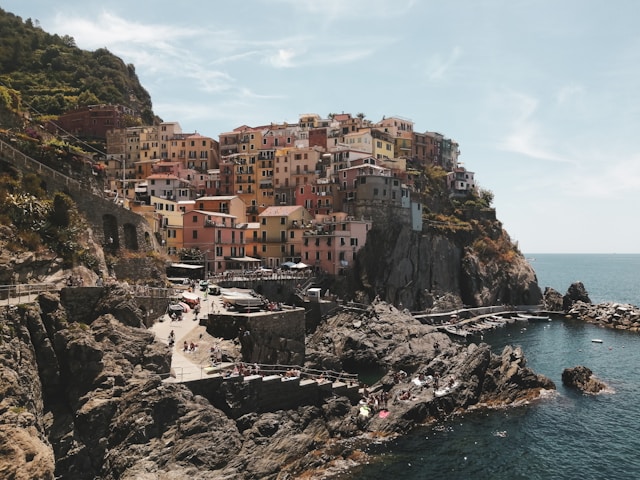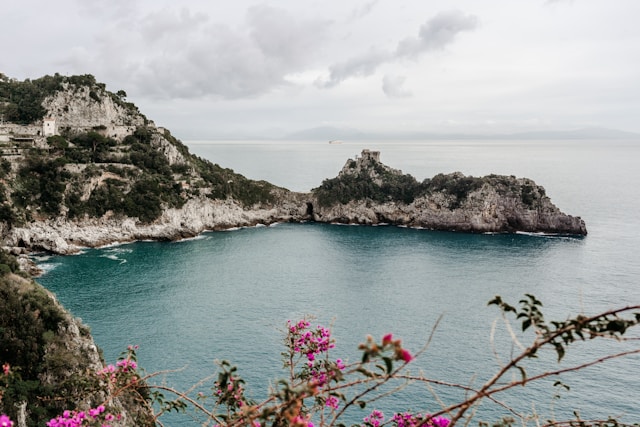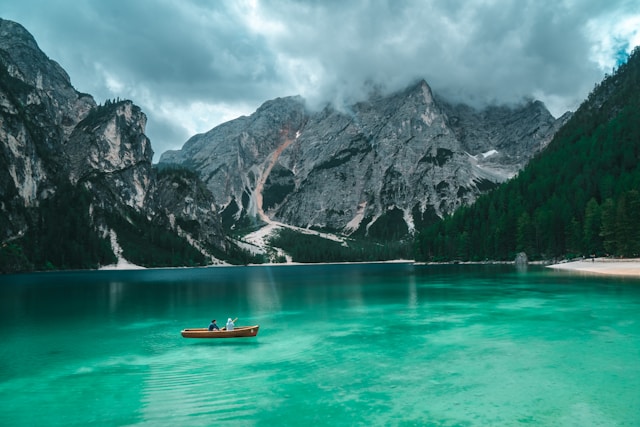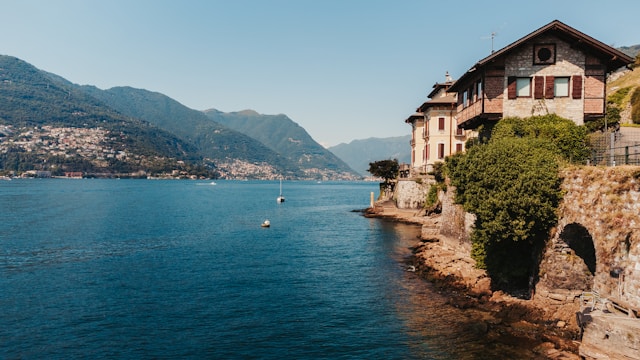
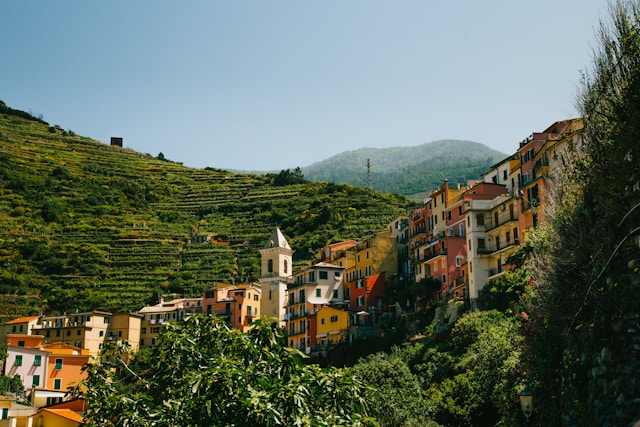
Italy is famous for Rome’s ancient monuments, Venice’s canals, Florence’s Renaissance treasures, and Milan’s fashionable streets. Yet beyond these celebrated cities lies another Italy—quieter, slower, and deeply connected to the land. It can be found in hundreds of small villages scattered across rolling hills, mountain valleys, vineyards, olive groves, and coastal landscapes.
Village life in Italy offers a fascinating glimpse into traditions that have survived for generations. Here, daily routines are shaped not only by clocks and calendars but also by seasons, family customs, local festivals, and relationships between neighbors.
Mornings Begin Slowly
In many Italian villages, mornings arrive without the rush associated with large cities. The first sounds might be church bells, shutters opening, delivery vans arriving at small shops, or neighbors exchanging greetings across narrow streets.
The local bar often becomes one of the first gathering places of the day. Residents stop for an espresso or cappuccino before beginning work, buying groceries, or taking care of household responsibilities. Conversations may last only a few minutes, but these small interactions help maintain strong community connections.
Older residents might sit outside discussing local events, agriculture, football, or family news. Shopkeepers greet familiar customers by name. Even ordinary errands become opportunities for conversation.
This social rhythm is an important part of village life. People are not simply living beside one another; their lives frequently overlap.
A Close Relationship With the Land
Agriculture remains an important part of the identity of many Italian villages, even when farming is no longer the main occupation.
The surrounding landscape often tells the story of the community. In Tuscany and Umbria, hills may be covered with vineyards and olive trees. In parts of northern Italy, mountain villages have traditions connected to dairy farming, forests, and alpine pastures. Southern communities may be surrounded by citrus trees, wheat fields, vegetable gardens, or ancient olive groves.
Seasonal activities continue to bring families together.
The grape harvest, known as the vendemmia, has traditionally been an important moment in wine-producing areas. Olive harvesting is another seasonal tradition in many regions. Families gather olives that will eventually become the intensely flavored oil used throughout local cooking.
Vegetable gardens are equally significant. Tomatoes, zucchini, herbs, beans, peppers, and other produce often travel directly from garden to kitchen.
Food therefore becomes closely connected to place.
The Kitchen as the Heart of the Home
Italian village culture is difficult to understand without talking about food.
Recipes are often connected to family history. A grandmother may prepare pasta according to techniques learned from her own mother. A particular sauce might have small variations that distinguish one household from another.
Sunday lunch remains especially meaningful for many families. Several generations may gather around a table for a meal that lasts far longer than an ordinary weekday lunch.
There might be handmade pasta, roasted vegetables, meat, local cheese, seasonal fruit, and homemade desserts. The exact dishes vary dramatically between regions because Italian cuisine is intensely local.
Food is rarely only about eating. Preparing a meal can preserve memories and strengthen family relationships.
A recipe written nowhere may survive because children and grandchildren have watched it being prepared hundreds of times.
The Village Square
At the center of many historic Italian villages is the piazza.
Sometimes grand and elegant, sometimes little more than an open space between stone buildings, the piazza functions as the community’s living room.
Children play there. Older residents sit on benches. Friends meet before dinner. Festivals, markets, concerts, and religious celebrations may transform the square throughout the year.
During summer evenings, village streets often become especially lively. Families emerge after the heat of the afternoon has faded. People walk slowly through the center, stopping repeatedly to speak with friends.
This evening walk reflects the tradition of the passeggiata—a leisurely stroll that is as much about socializing as exercising.
Nobody needs a complicated plan. Simply being present is part of village life.
Festivals That Keep History Alive
Local festivals are among the strongest expressions of Italian village identity.
Religious feast days honoring patron saints may include processions, church services, music, decorations, fireworks, and communal meals. Other celebrations focus on agricultural products or regional foods.
A village might organize a sagra celebrating mushrooms, chestnuts, truffles, pasta, wine, cheese, or another local specialty.
These events are entertaining, but they also preserve community memory.
Traditional costumes may appear during historical festivals. Medieval villages sometimes recreate events from their past through parades, flag throwing, competitions, or performances.
For younger generations, participating provides a direct connection to stories that might otherwise disappear.
Old Houses, New Challenges
The romantic image of Italian village life should not hide its difficulties.
Many small communities have experienced population decline as younger residents move to larger cities for education and employment. Maintaining historic buildings can be expensive, while transportation and public services may be limited in remote areas.
Some villages have responded by encouraging tourism, restoring abandoned properties, supporting local businesses, and attracting new residents.
The challenge is finding a balance.
Tourism can create jobs and help preserve historic buildings, but excessive tourism can also transform communities into places designed primarily for visitors.
The villages that retain their strongest character are often those where everyday life continues alongside tourism rather than being replaced by it.
A Different Understanding of Wealth
Perhaps the greatest lesson offered by Italian village life is a different definition of richness.
It can be found in knowing the person who baked your bread, recognizing the farmer who produced your olive oil, eating vegetables grown a short walk from your home, and greeting neighbors whose families have lived nearby for generations.
Life is not necessarily easier in a village, nor is every community untouched by modern pressures. Smartphones, cars, supermarkets, and contemporary careers are as much a part of rural Italy as elsewhere.
Yet beneath these changes remains a powerful sense of continuity.
Church bells still mark the hours. Recipes still pass between generations. Squares still fill with conversation on summer evenings.
And somewhere between the stone houses, vineyards, gardens, and winding streets, the quiet rhythm of Italian village life continues.