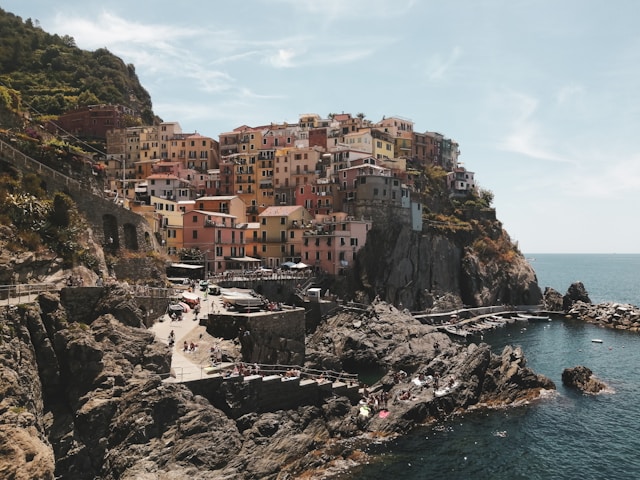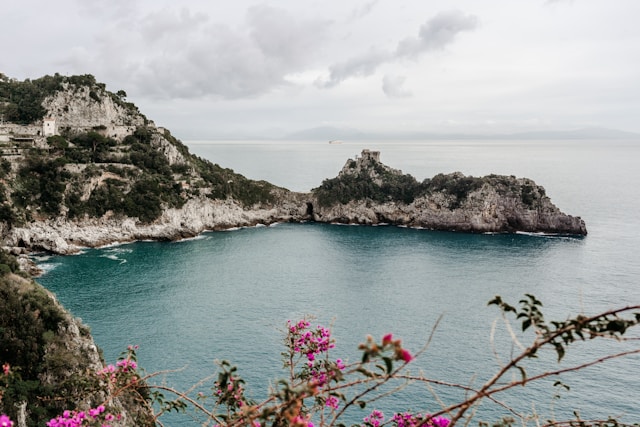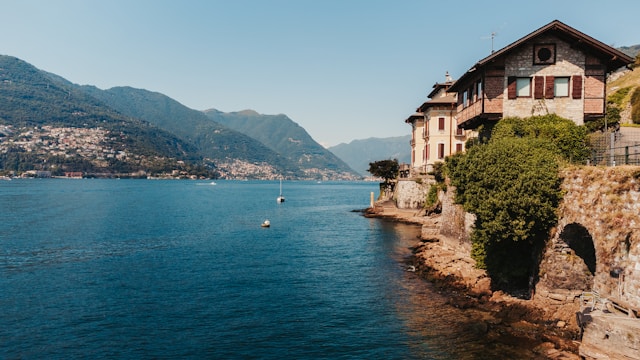
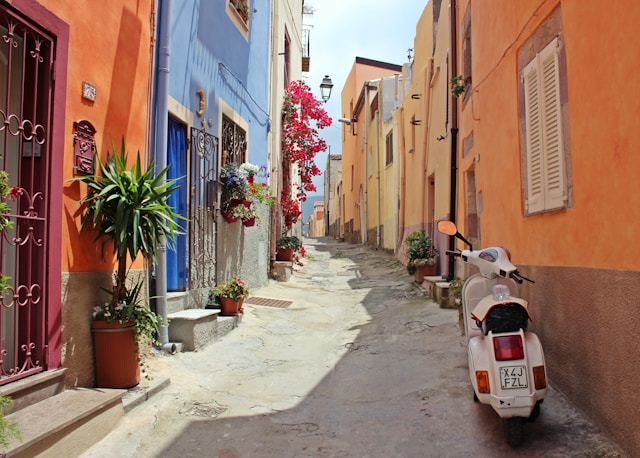
From Tuscany and Umbria to Lazio, Abruzzo, Basilicata, Sicily, and many other regions, Italy is dotted with villages that seem to grow naturally from hillsides and rocky landscapes.
From a distance, their stone houses, church towers, defensive walls, and terracotta roofs can look almost unchanged by time. Walk through their narrow streets, however, and the true attraction becomes clearer.
These villages are not simply beautiful collections of old buildings. They are archives made of stone, filled with stories of farmers, merchants, craftspeople, religious communities, noble families, emigrants, and generations of ordinary residents.
Exploring them offers a remarkable way to understand Italy’s cultural heritage.
Why Were Villages Built on Hills?
The dramatic location of many Italian villages was often practical rather than picturesque.
Before modern transportation and political stability, communities needed protection. Elevated settlements provided wider views of the surrounding countryside, making it easier to identify approaching threats. Walls, gates, towers, and castles offered additional security.
The surrounding land was equally important.
Fields, forests, vineyards, olive groves, and pastures provided food and livelihoods. Residents could live within the protected settlement while working agricultural land beyond its walls.
Over centuries, houses were constructed close together, creating the maze of narrow lanes and staircases that gives many historic villages their distinctive character today.
What modern visitors find charming was frequently the result of necessity.
Walking Through Layers of History
Entering an old Italian village can feel like stepping through several historical periods simultaneously.
A medieval gate might lead toward a Renaissance church. A centuries-old fountain may stand beside a modern café. Ancient stone walls can contain homes with satellite dishes, Wi-Fi, and contemporary interiors.
This mixture is part of what makes living heritage so fascinating.
Historic architecture is not always isolated behind museum barriers. People continue living inside it.
Laundry hangs from balconies. Plants fill old windowsills. Children run through passages once used by merchants or soldiers. Residents park small cars wherever narrow streets allow.
The contrast demonstrates that heritage does not have to remain frozen in time.
A historic village can preserve its past while continuing to function as a modern community.
The Piazza: Where Village Stories Meet
Eventually, many streets lead toward a central square.
The Italian piazza has traditionally served multiple purposes. It could be a marketplace, meeting place, ceremonial space, political center, and social gathering point.
The buildings surrounding it often reveal the historical power structures of the community.
A church may dominate one side. A municipal building might occupy another. Nearby cafés and shops introduce the everyday commercial life of the present.
Sit in a village square long enough and its rhythm becomes visible.
Residents cross it while running errands. Friends stop unexpectedly for conversation. Older people observe activity from familiar benches. During festivals, the same quiet space may suddenly fill with music, tables, decorations, and crowds.
The piazza is architecture transformed into social life.
Churches as Community Memory
Even small Italian villages may contain churches filled with artistic and historical details.
Their importance extends beyond architecture.
For generations, churches recorded major stages of community life. Baptisms, marriages, funerals, feast days, and religious celebrations connected individual families to the larger village.
Paintings, statues, chapels, and memorials sometimes reveal which families or organizations played important roles in local history.
Church bells also became part of the village soundscape, marking religious services, celebrations, mourning, and the passing hours.
Even as society has become more secular, these buildings often remain important symbols of local identity.
Stories Hidden in Doorways
Grand monuments naturally attract attention, but some of the most interesting heritage can be discovered in smaller details.
A faded family crest above a doorway may indicate the former home of an influential household. An unusually wide entrance might reveal a building once used for agricultural storage. A stone arch could mark the remains of an earlier structure incorporated into a newer house.
Public fountains recall a period before water arrived directly inside homes.
Old communal ovens point toward traditions of shared bread making.
Street names may preserve references to vanished professions, religious institutions, markets, or historic families.
Understanding these details transforms a walk through a village.
Suddenly, the settlement becomes readable.
The Memory of Migration
Not every story is visible in architecture.
During different periods of modern Italian history, large numbers of people left small towns and rural communities seeking opportunities elsewhere in Italy or abroad.
For some villages, migration dramatically changed the population.
Houses were closed. Agricultural land was abandoned. Families became divided between their ancestral villages and new homes in distant cities or countries.
Yet emotional connections often remained surprisingly strong.
Descendants may return decades later searching for family homes, churches, cemeteries, records, and relatives. Summer holidays and local festivals can temporarily increase village populations as families return.
For these visitors, the village is more than a tourist destination. It is part of their personal history.
The Challenge of Preservation
Today, many historic villages face a complicated future.
Population decline, aging residents, limited employment, and the cost of maintaining historic properties create serious challenges.
Tourism offers one possible source of economic support. Restored houses can become accommodations, local guides can introduce visitors to regional history, and restaurants can showcase traditional cuisine.
However, preservation requires more than attracting tourists.
A beautiful village without permanent residents risks becoming a stage set rather than a community.
Schools, shops, craftspeople, farmers, families, and local services are all part of living heritage.
Protecting buildings while losing everyday community life preserves only part of the story.
Traveling Differently
Visitors can help by approaching Italian villages with curiosity rather than treating them simply as photographic backgrounds.
Stay longer than an hour. Buy something from the local bakery. Visit a small museum. Eat regional dishes. Speak with residents when appropriate. Learn about the village’s history before arriving.
Most importantly, slow down.
The greatest discoveries may not be famous monuments.
They may be an elderly resident tending flowers beside an ancient doorway, the smell of bread drifting through a lane, bells echoing across a valley, or families gathering in the piazza as evening arrives.
Italy’s hilltop villages teach us that history does not exist only in textbooks.
Sometimes history has a front door, a kitchen, a garden, and neighbors.
And sometimes, if we walk slowly enough, we can still hear its stories.