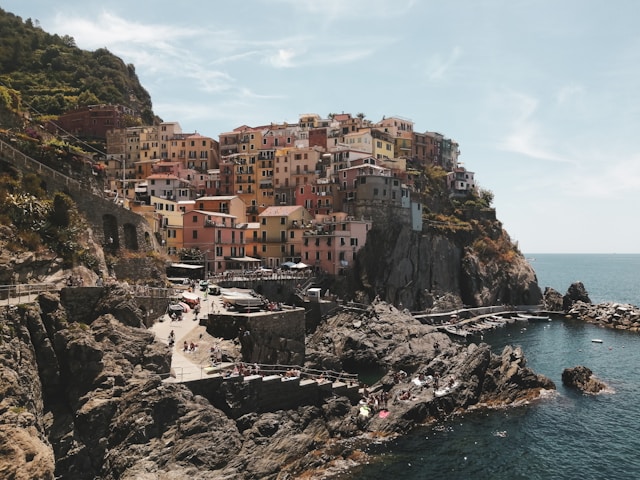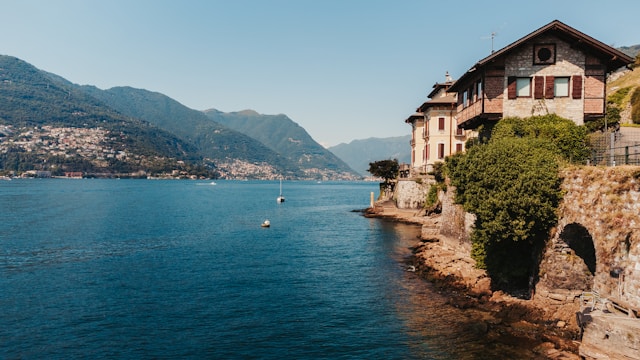
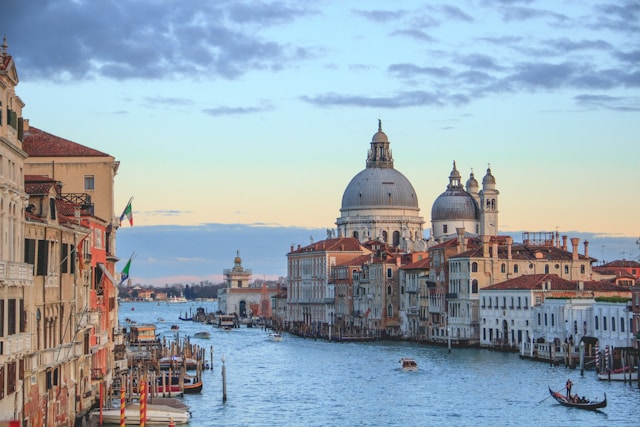
Rome’s Colosseum, Venice’s canals, and Florence’s Renaissance masterpieces deserve their international reputation. But Italy becomes especially fascinating when you venture beyond its most photographed attractions.
Across the country, small towns, agricultural landscapes, family traditions, and regional cuisines offer travelers opportunities to experience a different side of Italian life.
Authentic travel doesn’t necessarily mean finding places where no tourist has ever been. It means engaging thoughtfully with a destination, supporting local communities, and taking time to understand the traditions behind what you see and taste.
Here are seven authentic Italian experiences that encourage you to slow down and connect more deeply with Italy.
1. Stay at an Agriturismo
Few experiences represent Italian slow travel better than staying at an agriturismo.
These countryside accommodations are connected to farms and can range from rustic family properties to sophisticated rural retreats. Depending on the farm, you might find vineyards, olive groves, orchards, vegetable gardens, or livestock surrounding your accommodation.
Some properties offer meals made with ingredients grown or produced on-site. Others organize cooking classes, olive-oil tastings, vineyard visits, or farm tours.
Rather than treating the countryside as scenery viewed through a car window, an agriturismo allows you to spend time within it.
Tuscany is famous for this style of accommodation, but excellent agriturismi can be found throughout Italy.
2. Learn to Make Regional Pasta
A cooking class can be much more than a tourist activity when it focuses on genuine regional traditions.
Italy has an extraordinary variety of pasta shapes, many closely associated with specific towns and regions.
In Emilia-Romagna, you might learn how to roll fresh pasta by hand before shaping tortellini or tagliatelle. In Puglia, you can learn to make orecchiette. Other regions have their own distinctive shapes, sauces, and techniques.
Choose small-group or family-run classes when possible.
The best experiences explain not only how a dish is made but why it belongs to that particular place.
3. Visit a Local Food Market
Markets are windows into everyday Italian food culture.
Depending on your destination, stalls may be filled with tomatoes, artichokes, citrus fruits, mushrooms, seafood, cured meats, cheeses, olives, and countless seasonal products.
Markets are particularly rewarding in cities such as Palermo, Bologna, Catania, and many smaller towns.
Visit earlier in the day when locals are shopping. Walk slowly, observe what’s in season, and buy something rather than treating the market only as a photography opportunity.
If you’re staying somewhere with a kitchen, shopping for ingredients and preparing a simple meal can become one of your most enjoyable Italian experiences.
4. Spend Several Days in a Small Town
Many travelers use Italian villages as short stops between larger destinations.
Try doing the opposite.
Choose a smaller town and stay for several nights. Without pressure to see everything immediately, you’ll begin to recognize the rhythms of daily life.
You’ll discover which café becomes busiest in the morning, when people gather in the main square, and where residents buy bread or groceries.
Places such as Orvieto in Umbria, Pienza in Tuscany, or towns throughout Puglia, Sicily, Piedmont, and Le Marche can serve as excellent bases for slower exploration.
The specific destination matters less than giving yourself enough time to experience it.
5. Visit a Family-Run Winery
Wine tourism is popular throughout Italy, but smaller producers can offer particularly personal experiences.
Instead of simply arriving for a quick tasting, look for vineyard visits that explain the land, grapes, production methods, and traditions of the region.
Italy’s wine culture varies enormously.
A vineyard experience in Piedmont will feel very different from one near Mount Etna in Sicily or among the hills of Tuscany.
Ask questions and listen to the producer’s story. Understanding how geography and family history influence the wine makes each glass more meaningful.
Whenever you’re tasting alcohol, arrange safe transportation rather than driving afterward.
6. Join a Local Festival
Italian towns celebrate countless festivals, religious events, harvest traditions, and food-focused gatherings throughout the year.
Depending on where and when you travel, you may encounter a sagra dedicated to a particular local ingredient or dish.
These events can provide a wonderful introduction to community traditions.
However, remember that many festivals exist primarily for residents rather than visitors. Participate respectfully, follow local guidance, and avoid treating religious or cultural traditions simply as entertainment.
If you’re staying at a family-run property, ask your hosts whether any events are happening nearby.
7. Experience the Evening Passeggiata
One of Italy’s simplest pleasures costs nothing.
In many communities, residents take an evening walk known as the passeggiata. Streets and piazzas become social spaces as friends meet, families stroll, and people stop for conversation, gelato, or an aperitivo.
Instead of filling every evening with reservations and organized activities, join the rhythm.
Walk without a specific destination. Find a bench in a piazza. Order a gelato from a local shop and watch the town transition from afternoon to evening.
It may sound ordinary, but ordinary moments are often where authentic travel begins.
Find Your Own Version of Italy
The most rewarding Italian experiences aren’t always the ones with famous names.
They can be learning a recipe from someone who has prepared it for decades, discovering a village market, hearing the story behind a family vineyard, or returning to the same café enough times for the owner to remember your order.
Travel more slowly, ask questions, support local businesses, and leave room for the unexpected.
Italy doesn’t need to be rushed.
Sometimes the best way to discover it is simply to stay a little longer.